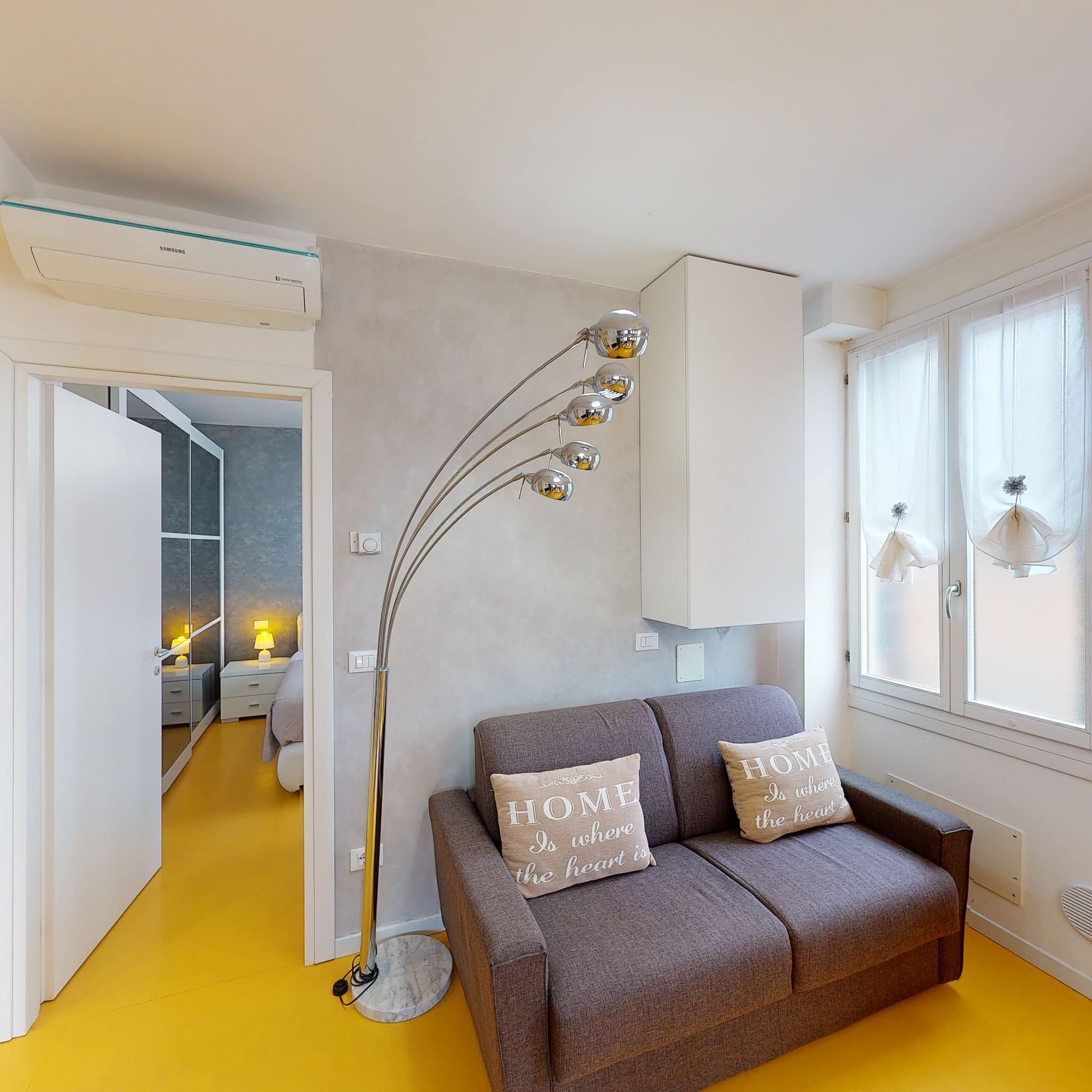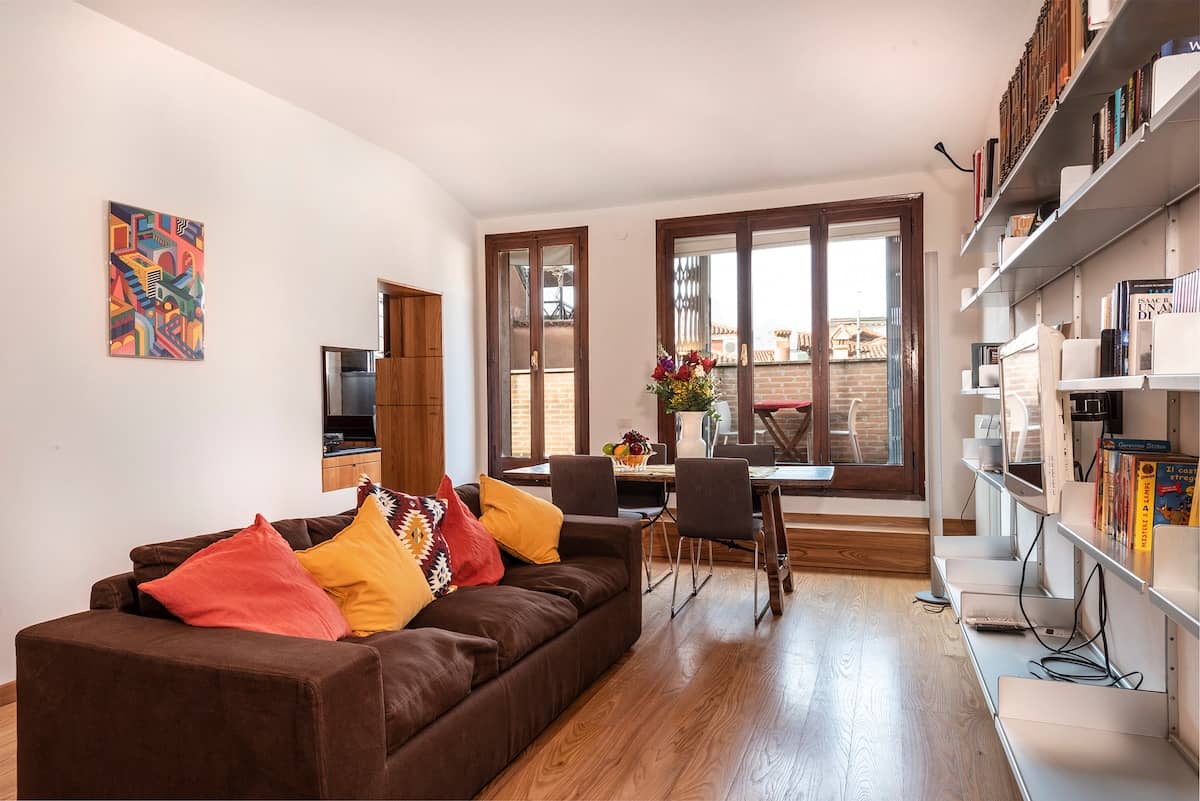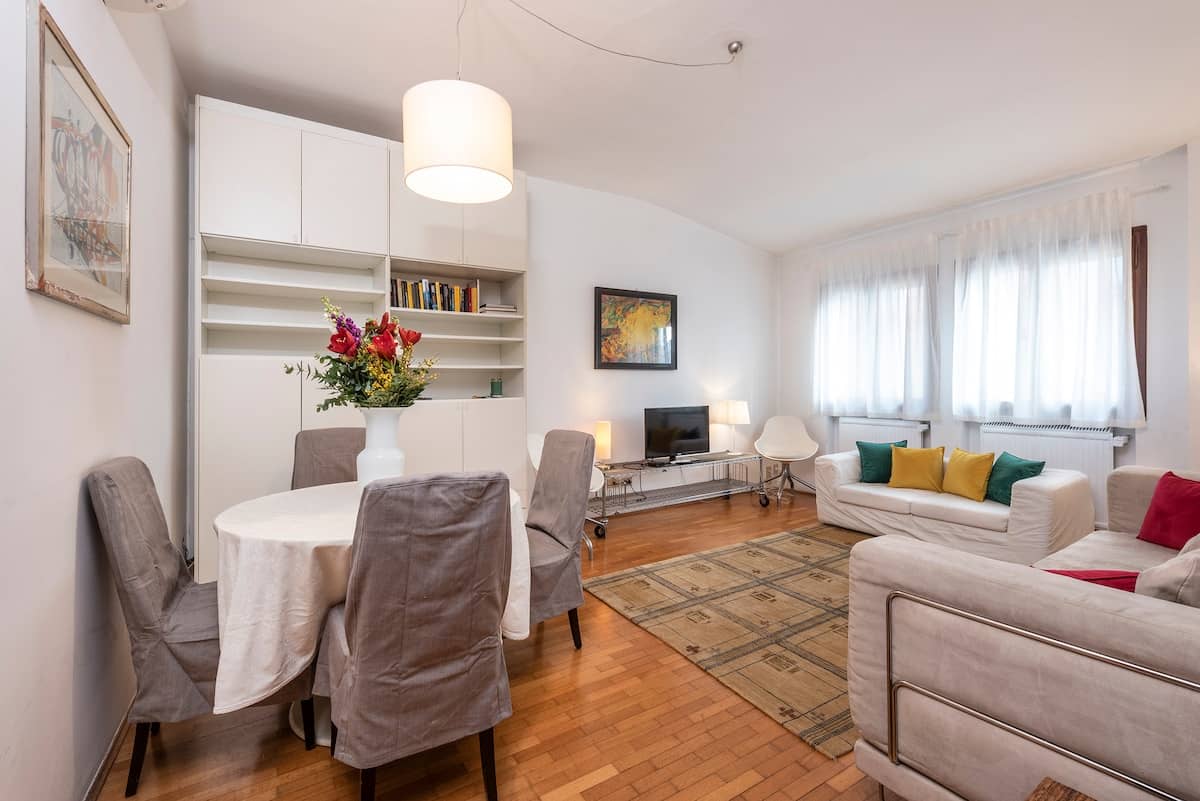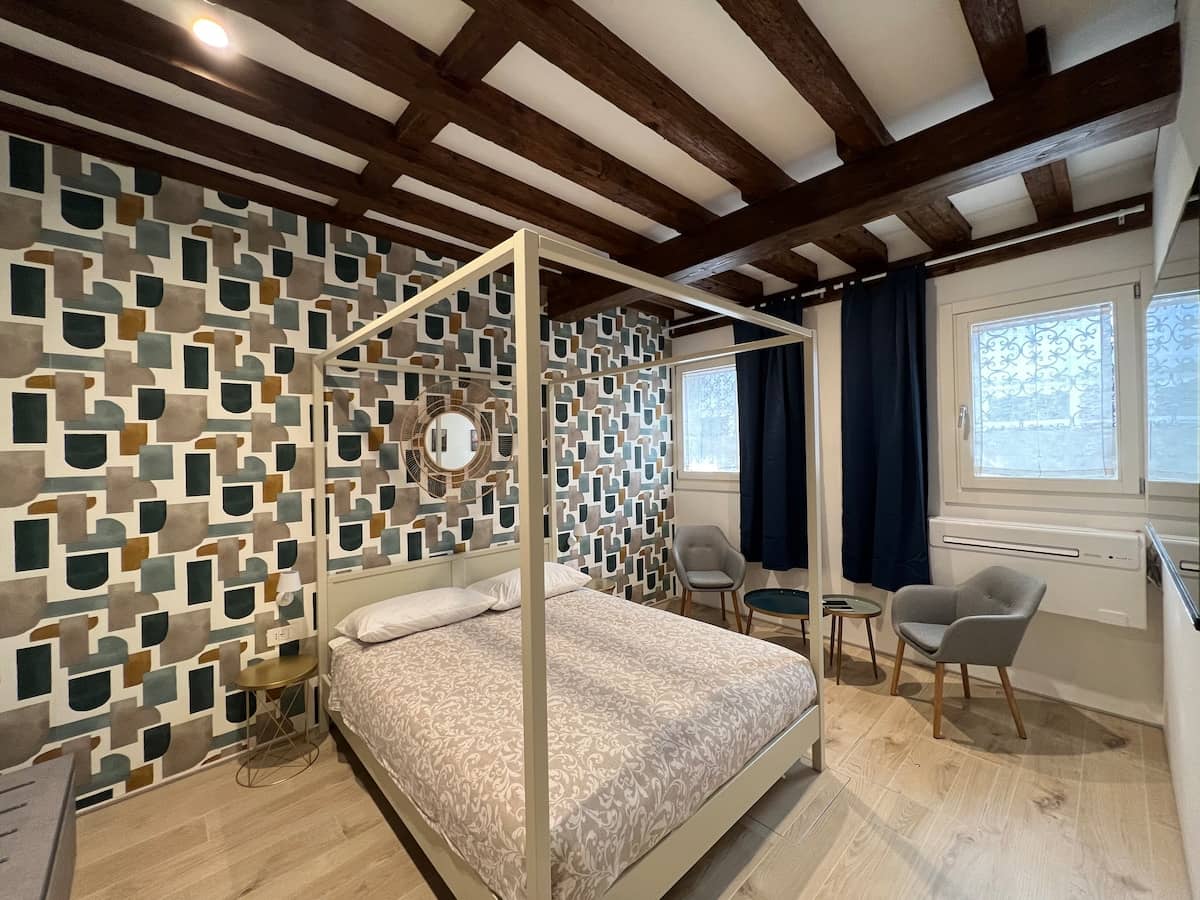
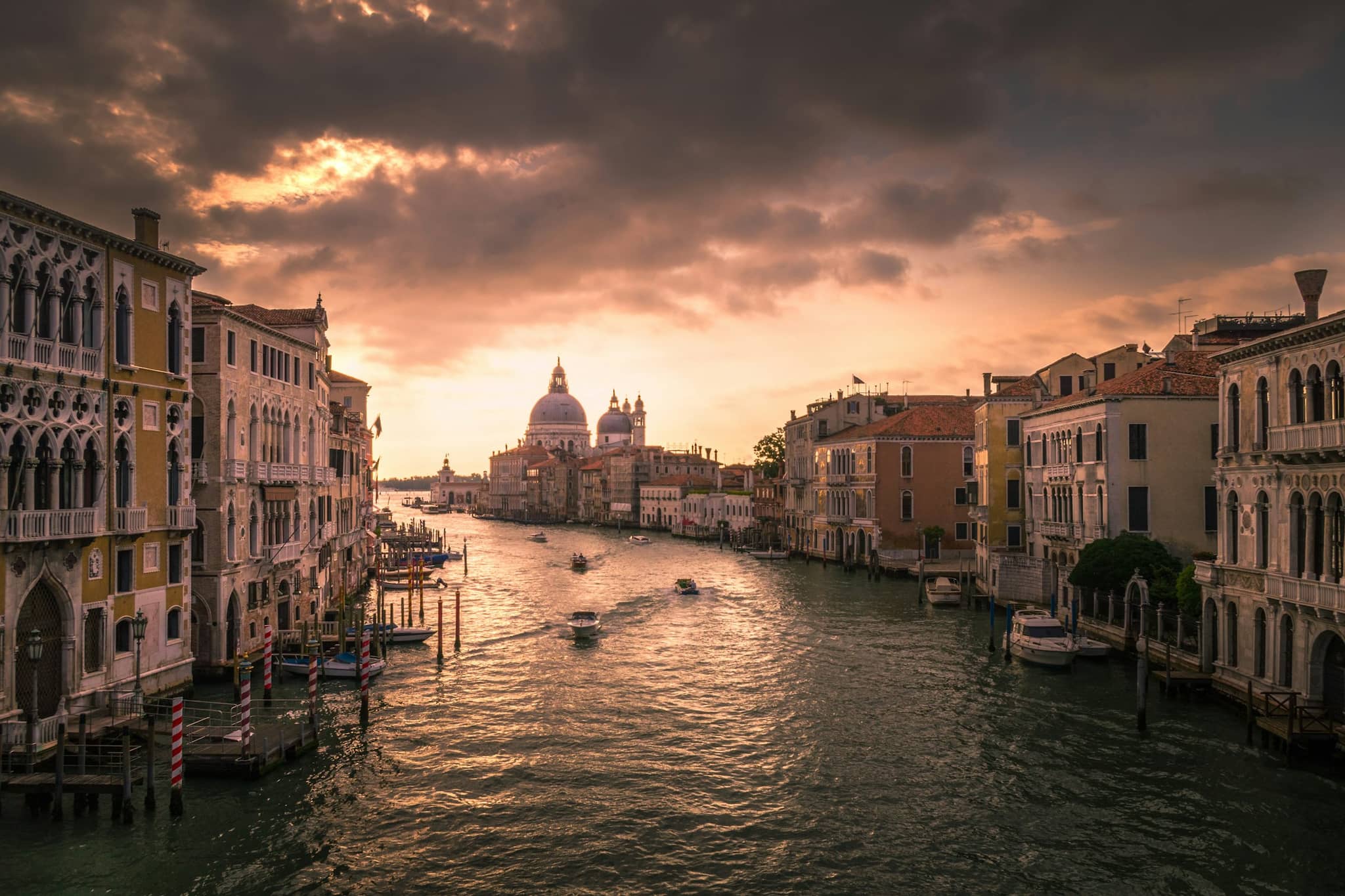
The eastern sestiere. Long winters, low tourist traffic, and the Giardini della Biennale at the end of the calle.
Castello is Venice’s largest sestiere, anchored by the Arsenale and the Giardini della Biennale. Stay here for the residential calle widening east, morning markets on Via Garibaldi, and the lagoon arriving on three sides.
What the sestiere feels like
Castello is the largest of the six sestieri and the most lived-in. The streets widen as you walk east; Via Garibaldi, carved by Napoleon by filling in a canal, is the closest thing Venice has to a boulevard. Mornings here belong to the market stalls along it: fish, fruit, bread, opinion. The lagoon arrives on three sides and the city ends abruptly at the Giardini.
The pace is residential. Children walking to school, dogs on the riva, the boats of the gondoliers’ co-operative tied at San Giorgio. The Biennale brings the world here for six months every odd year, then withdraws. The Arsenale, once the largest industrial complex in pre-industrial Europe, is mostly closed but partly open: the Tese delle Vergini, the gates of Sansovino, the bookshop of the navy.
Stay in Castello if you want to see how Venetians live. San Marco is fifteen minutes on foot; the vaporetto from Celestia or Arsenale reaches the islands in twenty. The calli stay quieter than the central sestieri even in high season.
The landmarks worth the walk
Giardini della Biennale
The permanent pavilions of the Venice Biennale, in a park laid out by Napoleon. The contemporary art exhibition opens in May of odd years; the architecture biennale runs in even years. Out of season, the gardens belong to the locals and the cats.
Arsenale
The walled shipyard that built the Venetian fleet. The gate of the Porta Magna (1460) is one of the earliest Renaissance works in Venice. The Tese, the long brick sheds, host part of the Biennale. At its peak in the 16th century the Venetian Arsenal employed up to 16,000 workers and could produce a fully fitted warship in a single day.
Via Garibaldi
The widest street in Venice. Market in the morning, bars and trattorie in the evening. The plaque at the eastern end marks where Sebastian Cabot, born in this house, set sail for the New World.
Riva degli Schiavoni
The long promenade that runs from San Marco to the Giardini. Named for the merchants from Schiavonia (the Dalmatian coast) who docked here. The view of San Giorgio is unbroken for the full length.
Campo Santa Maria Formosa
A large, irregular campo with a Renaissance church and a market on weekday mornings. The Querini Stampalia library and museum opens onto it; the Carlo Scarpa redesign of the ground floor is worth an hour.
Where the hosts stop in
Trattoria Corte Sconta
Trattoria. A Castello classic since 1976. Seafood, an internal garden, a chalkboard menu. Book at least a week in advance.
El Refolo
Bacaro. On Via Garibaldi. Stand outside with a spritz and a panino in the early evening; the via passes by.
Trattoria Al Mascaron
Trattoria. Near Santa Maria Formosa. House classics: spaghetti al nero, sarde in saor, fritto misto. Cash only, no reservations after 19:30.
Pasticceria Melita
Pasticceria. Behind Via Garibaldi. Cornetti at dawn, fritole during Carnival.
Closing thought
Castello is the sestiere we recommend when a guest asks where to stay for a second visit. The first visit is for the Piazza; the second is for the long fondamenta at sunset, the Arsenale walls in shadow, the city walking the dog. For the sights that earn a walk west, the twelve places the hosts keep going back to is the companion read.
The seven apartments we host in Castello lean residential. Lagoon views from Celestia, Santa Maria Formosa within five minutes, the Biennale a walk away. If you have not yet picked a sestiere, the where to stay in Venice guide compares the trade-offs.