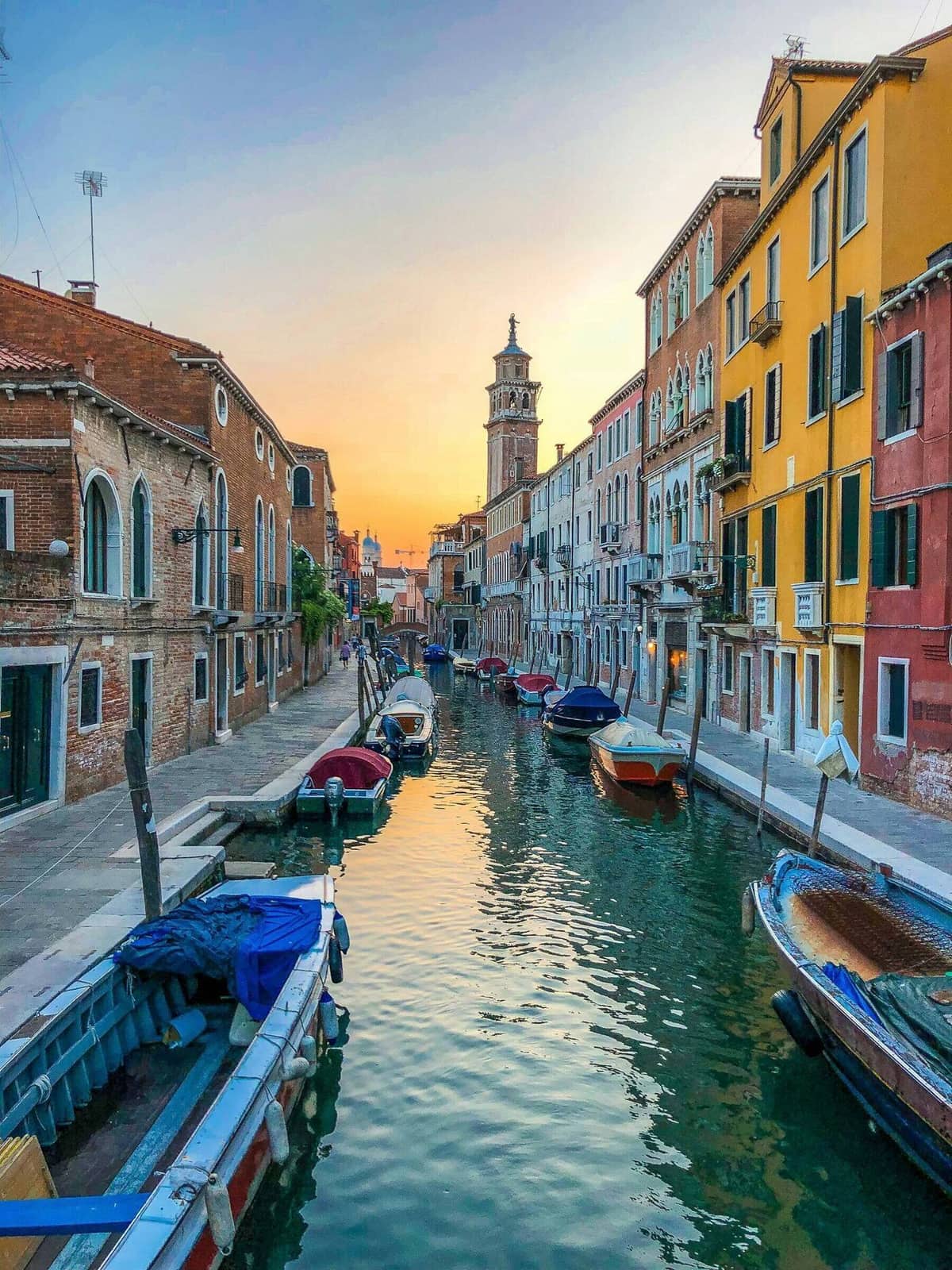
Long fondamente, sun until late, lagoon-facing. The sestiere where Venetians still live.
Cannaregio is Venice’s northern sestiere, anchored by the Jewish Ghetto and Madonna dell’Orto. Stay here for long fondamente facing the lagoon, the densest concentration of bacari in the city along the Misericordia, and afternoon sun that arrives late and stays.
What the sestiere feels like
Cannaregio is the northern sestiere, defined by three long parallel canals and the fondamente that run alongside them. The sun reaches them in the late afternoon and stays. The Strada Nova, the main artery, is a Venetian shopping street: alimentari, hardware, slippers, the kind of shops that have served the same families since the 1950s.
It holds the Jewish Ghetto, the oldest in Europe and the place that gave the word to the world. Established in 1516 by the Senate, the Ghetto Nuovo is a tall, irregular campo lined with five synagogues hidden behind unmarked façades, one Italian, one German, one Spanish, one Levantine, and the early-1500s Scuola Grande. The Jewish Museum runs guided visits.
Stay in Cannaregio for evenings. The fondamenta della Misericordia and the Ormesini hold the city’s densest concentration of bacari, and a stretch of canal-side tables that fill on warm nights. The lagoon, on the northern edge, is the gateway to Murano, Burano, and the cemetery island of San Michele.
The landmarks worth the walk
Ghetto Nuovo
The oldest Jewish quarter in the world. The five synagogues are visible only by guided tour from the Jewish Museum on the campo. The buildings are unusually tall for Venice because the inhabitants could not expand outward.
Madonna dell’Orto
Madonna dell’Orto is Tintoretto’s parish church, and the church where he is buried. His Last Judgement and his Worship of the Golden Calf hang in the chancel, each five metres tall. He worked on them for free.
Fondamente Nuove
The northern embarkation point. The vaporetto for Murano, Burano, and San Michele leaves from here. The view is straight across the lagoon to the cypresses of the cemetery.
Ca’ d’Oro
The Gothic palazzo on the Grand Canal that gave the species its name. Its façade was once gilded with real gold leaf. The Galleria Franchetti inside holds Mantegna’s San Sebastian.
Casa di Marco Polo
Near Corte Seconda del Milion. A plaque marks the site of the house from which the Polo brothers left for China in 1271. The building above is much later, but the courtyard is original.
Where the hosts stop in
Vino Vero
Bacaro. On the Fondamenta della Misericordia. Natural wines, the best crostini in the city, owners who care. Standing room only most evenings.
Trattoria Anice Stellato
Trattoria. On the Fondamenta della Sensa. Seafood-driven, slightly creative, properly Venetian. Book in advance; lunch is calmer.
Osteria al Timon
Osteria. On the Fondamenta degli Ormesini. The tables outside line a moored boat. Cicheti and grilled fish; the queue forms early in summer.
Pasticceria Dal Mas
Pasticceria. By the train station, since 1906. The croissants are baked twice a day; pick up two on the way out to the islands.
Closing thought
Cannaregio rewards staying. The fondamente at twilight, the gondolas crossing to Murano, the lagoon emptying of light: these are the views the city keeps for the people who live in it. For the wider canon of sights across the city, the twelve places the hosts keep going back to sits as a companion read.
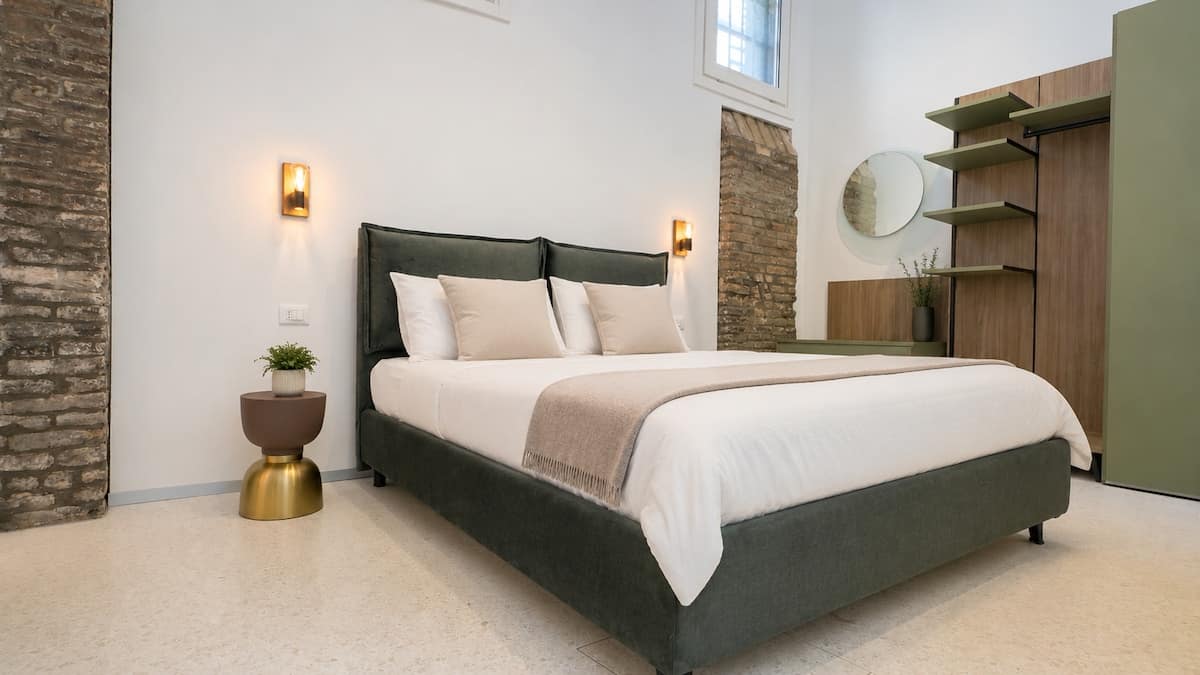
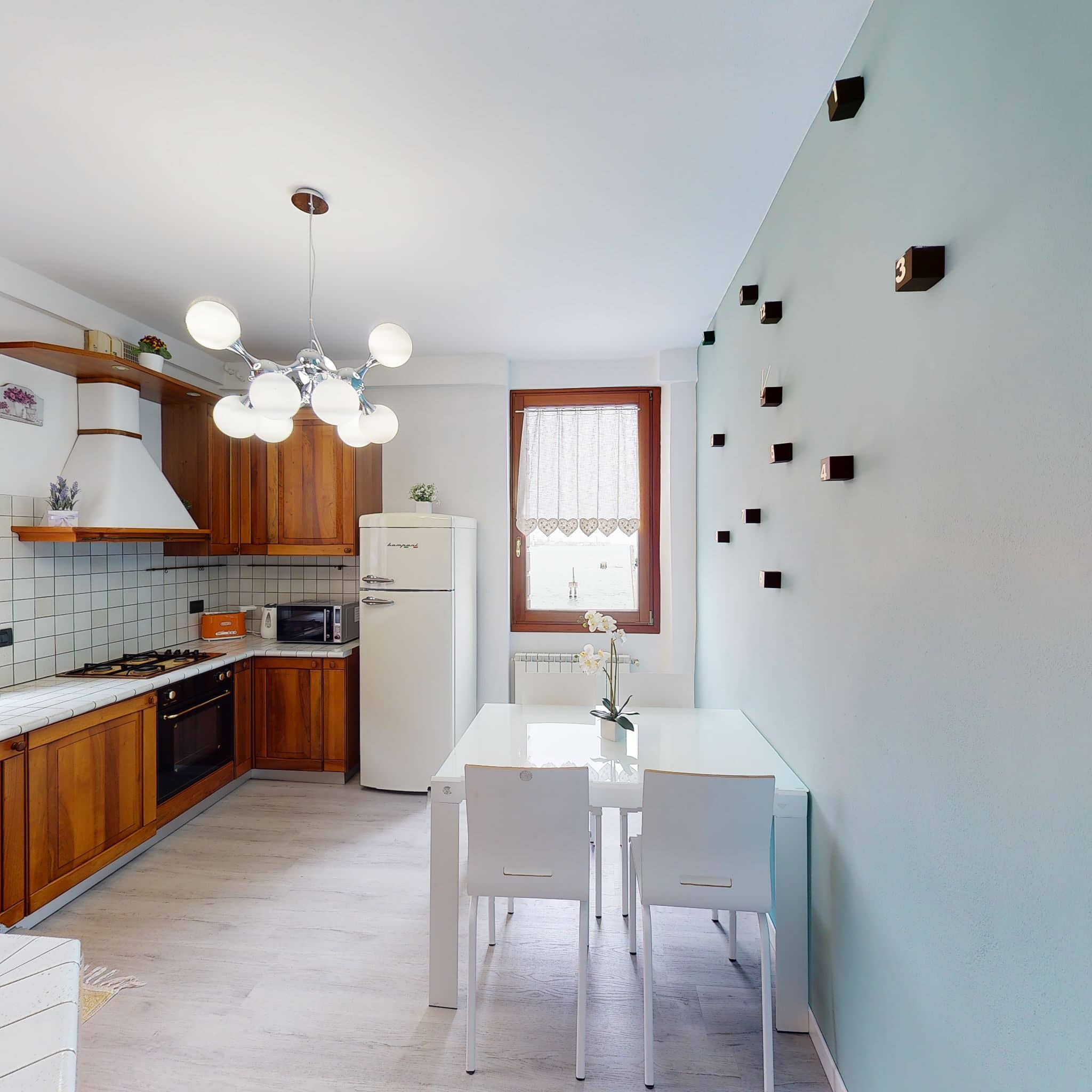
The apartment we host in Cannaregio sits on the quieter side of the sestiere, the long fondamenta at the door. If Cannaregio is not yet the choice, the where to stay in Venice guide compares the four central sestieri.