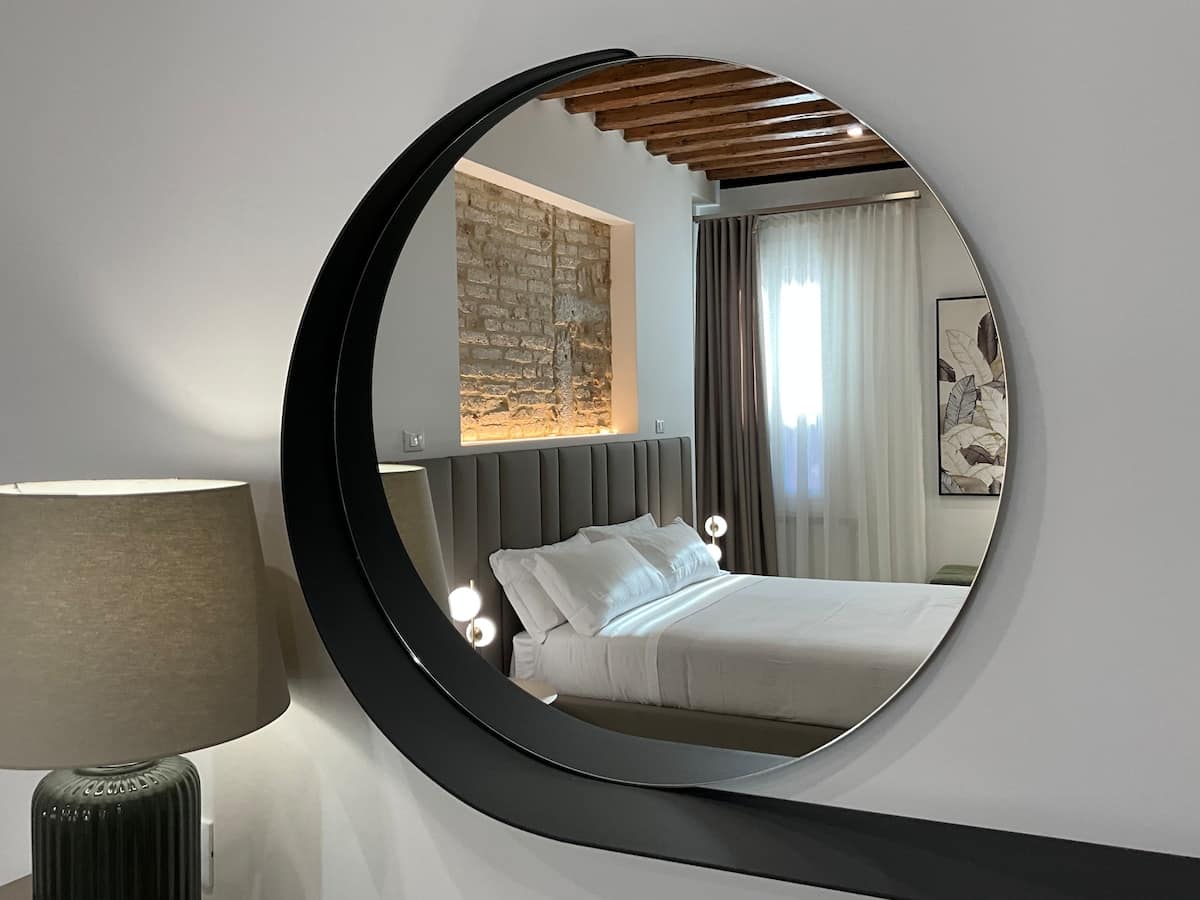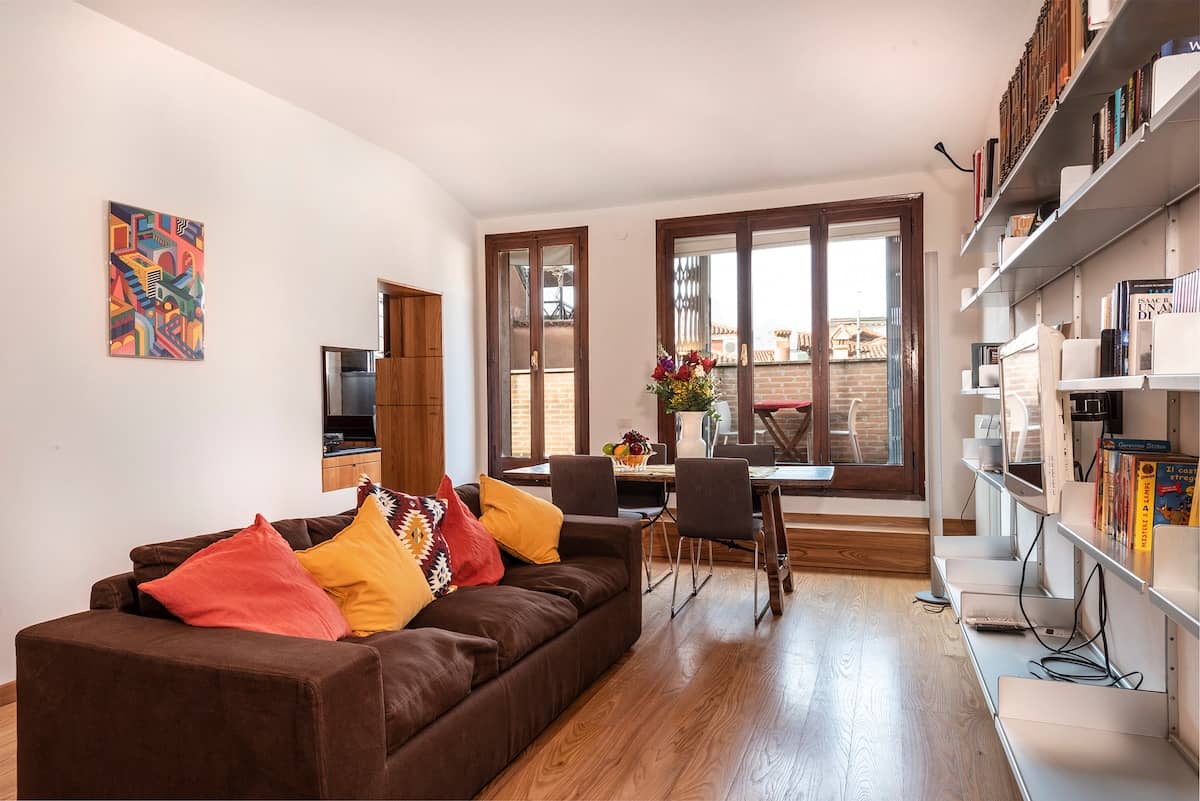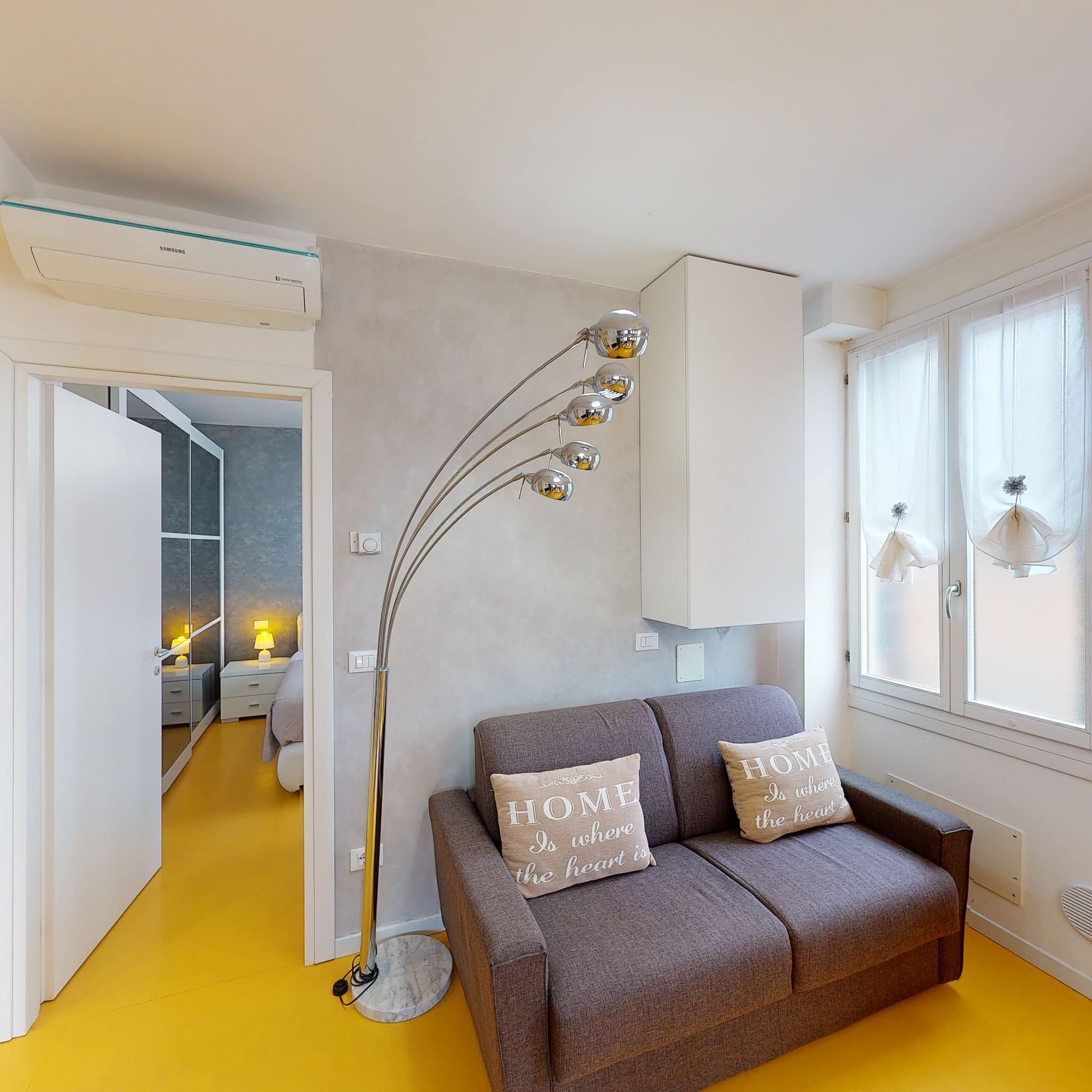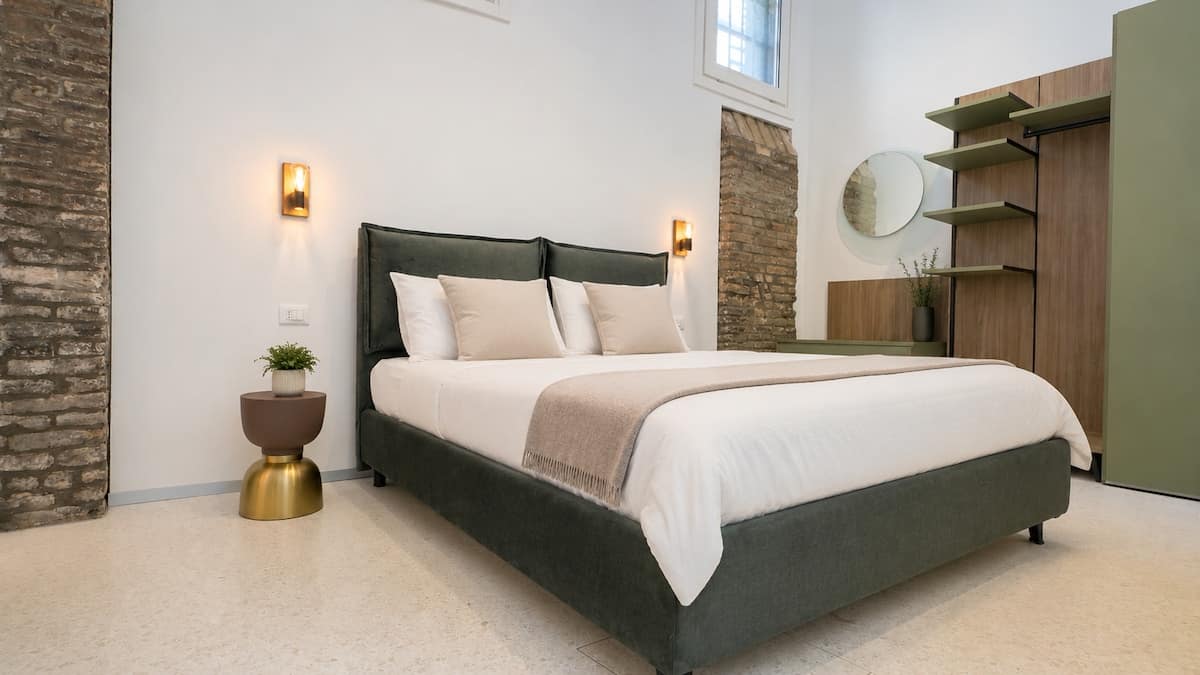
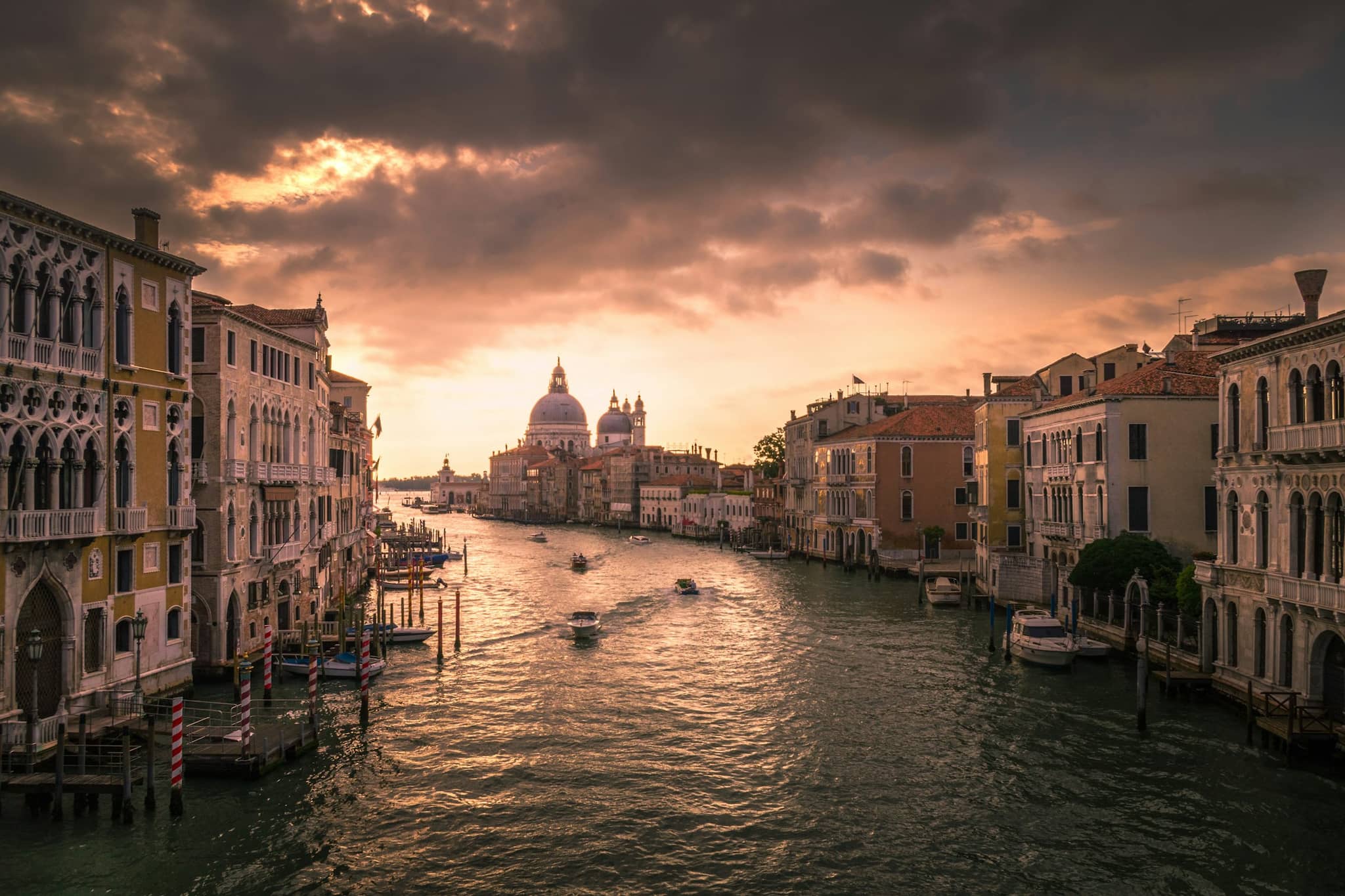
Three days in Venice is the standard first-visit length and it is the right number. Two days are not enough to leave the central tourist route; four days start to feel like inhabiting the city, which is a different kind of trip. This itinerary plans 3 days for a first-time visitor with a flat in a central sestiere, hour by hour, with the alternative-weather options noted and the restaurants we send our own guests to. The structure: Day 1 the central sights, Day 2 the residential city, Day 3 the islands and the southern sestiere.
The short answer
Day 1 San Marco. Day 2 Castello in the morning, Rialto and San Polo in the evening. Day 3 a half-day on Burano followed by an afternoon in Dorsoduro. Three dinners that you book three weeks ahead. One slow walk along the Fondamenta della Misericordia at sunset. The whole thing across about 30 kilometres of walking on uneven stone bridges.
The alternative-weather version: swap any outdoor walk for a museum on the same sestiere. Venice in rain is still Venice; an umbrella plus the right shoes covers it.
Before you arrive
Where to stay. San Marco for the central first visit (one or two calli back from Mercerie so your bedroom is quiet). San Polo around Rialto as the equally good budget alternative. Castello for a calmer base with marginally longer walks. Cà Gemma (San Marco, 2-bedroom, 8 minutes from the Piazza) is the example; Cà Lorenzo (Castello, near Santa Maria Formosa) is the calm alternative. The full sestiere logic is in Where to Stay in Venice.
Tickets to book in advance. Doge’s Palace timed entry, Basilica di San Marco timed entry (skips the 90-minute queue), Accademia for Day 3. The Peggy Guggenheim Collection sells out only on peak weekends. Book through each museum’s own site.
Transport. A 72-hour ACTV vaporetto pass at €45 covers your Day 1 arrival vaporetto plus all three days of water transport. Even if you walk most distances, the pass pays for itself by Day 2. The full breakdown is in The Venice Vaporetto.
Arrival. If you arrive in the morning, you can start the Day 1 itinerary at noon. If you arrive in the evening, push the whole thing back one day: Day 1 sights become Day 2. Most three-night Venice stays arrive mid-afternoon on Day 0 and depart mid-morning on Day 4.
Day 1: San Marco, the central sights
07:30. The earliest start of the trip. Coffee at a campo bar near your flat; the espresso costs €1.50 standing at the bar, €4 sitting outside. Walk to Piazza San Marco. Between 07:30 and 09:00 the Piazza is residential: pigeons, a few joggers, the cafés setting tables, the basilica’s marble facade in the soft morning light. This is the photograph everyone hopes for and few get because they arrive at 11:00.
08:30. The Basilica di San Marco opens. Walk through the atrium and into the Byzantine interior. Free admission to the main nave; the Pala d’Oro behind the altar and the Tesoro side-chapel are ticketed at €5 to €8 each, and worth the supplement. 45 to 60 minutes inside is enough on a first visit.
10:00. The Campanile, opposite the Basilica. €12, lift only (no stairs to the public). Five-minute ascent, fifteen minutes at the top. The view rotates: north-east to the lagoon and Murano, south to the Doge’s Palace and the bacino, west to the Campanile of San Giorgio Maggiore on its own island.
10:45. The Doge’s Palace, on the south side of the Piazza. Book the 11:00 timed entry. Allow 2 hours inside: the ducal apartments, the Senate chamber, the Bridge of Sighs into the prisons. €30 standard ticket. The Secret Itineraries tour (€32, 90 minutes, English at 09:55 and 11:35) is a better visit than the standard route if you booked far enough ahead.
13:00. Lunch at a quiet bacaro one or two calli north of the Piazza. All’Arco (Calle dell’Ochialer, San Polo) is the gold-standard cicchetti stop ten minutes’ walk away, across the Rialto bridge; if you want to stay in San Marco, Bistrot de Venise on Calle dei Fabbri is a slower sit-down. Avoid the restaurants in the Piazza itself (€60 for a coffee and a sandwich) and any place displaying a multilingual menu with photographs.
15:00. Walk through the southern half of San Marco to the Accademia bridge (15 minutes) for the long lateral view of the Grand Canal. Cross the bridge or turn back and walk the Mercerie north to Rialto.
17:00. Back at the flat for a short rest. The first afternoon in Venice is always tiring. Shower, change, head out for the evening.
18:30. Aperitivo at a campo bar. Order a Spritz Select (€3 to €6 standing, €5 to €9 sitting) and a plate of cicchetti.
20:30. Dinner. Book three weeks ahead for any restaurant you genuinely want. Trattoria alla Madonna (San Polo, near Rialto) is the reliable Venetian choice; Osteria di Santa Marina (Castello, near Santa Maria Formosa) is the better one. For a quieter intimate dinner in San Marco, Osteria San Marco on Frezzeria.
22:30. Walk back through the Piazza after the day-trippers have left. The Basilica facade is lit, the Campanile glows, the daytime tour groups are gone. This is the Venice that the postcard suggests and that day-trippers never see.
Day 2: Castello and the residential city
08:00. Breakfast at a campo bar. Walk east through Castello: from the Piazza along the Riva degli Schiavoni, past the Arsenale, into the residential heart of the city.
09:30. Santa Maria Formosa (free), then the Scuola di San Giorgio degli Schiavoni (€5, the Carpaccio cycle, one of the most rewarding ten minutes in Venice). The walk from Santa Maria Formosa to San Giorgio is 8 minutes through residential calli that almost no tour groups reach.
11:00. The Arsenale. The Republic’s medieval shipyard, now mostly closed to the public but visible from the surrounding bridges. Walk the perimeter: the Porta Magna at the western entrance, the long brick walls along the Rio dell’Arsenale, the Campo della Tana at the eastern side. In Biennale years the Arsenale opens its central buildings to the exhibition; otherwise this is the most striking exterior walk in eastern Venice.
12:30. Lunch in eastern Castello. Corte Sconta (Calle del Pestrin) is the destination restaurant if you booked a month ahead; for a relaxed lunch without booking, the bacari along Via Garibaldi serve excellent cicchetti at a third of the price.
14:30. Vaporetto line 1 from Giardini back to San Marco, then on to Rialto. Disembark at Rialto Mercato. The morning fruit and fish market closes at 13:30 but the surrounding cantine remain open. Walk through the market arcades, then into San Polo.
15:30. Campo San Polo, the second-largest square in Venice. Then the Frari church (Santa Maria Gloriosa dei Frari): the Titian Assunta over the high altar, the Pesaro altarpiece, the Bellini triptych in the sacristy. €5. 45 minutes inside.
17:00. Walk back across the Rialto bridge for the late-afternoon light on the Grand Canal. Stop at the Pescaria for a glass of wine at a quayside cantina.
19:00. Aperitivo at a bacaro in San Polo or San Marco. The bacari near the Rialto open early; the cicchetti are out by 18:00 and best between then and 20:00.
20:30. Dinner. If you booked Osteria di Santa Marina for tonight, head back to Castello. Otherwise, Antico Calice on Calle dei Stagneri (San Marco, near the Rialto) is the dependable choice.
Day 3: the lagoon islands and Dorsoduro
08:00. Coffee at a campo bar near the Fondamente Nove vaporetto stops. Walk or vaporetto to the Fondamente Nove, the northern Venetian quayside. From there the vaporetto line 12 leaves for Murano and Burano every 30 minutes.
08:45. Vaporetto line 12 to Burano (45 minutes through the northern lagoon, past Murano, Mazzorbo, and the cemetery island of San Michele). The ride is part of the visit: the lagoon water, the fishing posts, the open sky in the gap between the islands. Sit on the open back deck if the weather allows.
09:30. Arrive Burano. The painted houses, the fishermen’s quarter, the leaning campanile of San Martino. The island is small (a 30-minute walk end to end). Walk the perimeter; cross to Mazzorbo for the quieter parallel island. Lunch at Trattoria Al Gatto Nero on the Burano main fondamenta (book a week ahead) for the local risotto di gò, the lagoon fish stew. €40 to €70 per person.
14:00. Vaporetto line 12 back. Disembark at Murano (40 minutes back from Burano) if you want to see the glass-making (the Murano Glass Museum is €15, 90 minutes inside; the working furnaces along Fondamenta dei Vetrai give live demonstrations on weekdays for €5 to €10).
15:30. Vaporetto from Murano back to Fondamente Nove, then walk south to the Strada Nuova in Cannaregio. The long working artery of residential Venice. Walk west, browsing the shops, then divert north through the Ghetto Nuovo (the historic Jewish Ghetto, the world’s first such, with its small museum and the synagogues that still operate).
17:00. From the Ghetto, walk south to Sant’Alvise vaporetto stop and take line 5.2 to the southern half of the city. Disembark at Zattere for the long sunset walk along the Fondamenta delle Zattere in Dorsoduro, the south-facing quay overlooking the Giudecca canal.
18:30. Aperitivo at one of the bacari along the Zattere or in Campo Santa Margherita. Dorsoduro at evening is the student-life sestiere; the campo is crowded with locals at the day’s end.
20:30. Dinner at a Dorsoduro trattoria. Cantina del Vino già Schiavi (Ponte San Trovaso, technically Dorsoduro) is the famous cicchetti stop for a stand-up dinner; for a proper sit-down, Osteria al Squero just across the Rio di San Trovaso (book three days ahead).
22:30. Walk back to your flat. Cross the Accademia bridge for the Grand Canal at night. The dome of the Salute is lit; the gondoliers have packed up; the slow boats are working the late shift.
A morning to leave
08:00. Coffee at the campo bar that has become your morning bar by now. Pack.
09:30. Walk to the vaporetto. If you arrived by Alilaguna, depart the same way for symmetry. If you want to spend less time on the journey, a water taxi from the dock nearest your flat to the airport runs €140 to €180 and takes 35 minutes. The trade-off is in Marco Polo Airport to Venice.
Alternative-weather adjustments
Rain. Swap any outdoor walk for a museum on the same sestiere. Doge’s Palace, Accademia, the Frari church, the Scuola Grande di San Rocco (Tintoretto’s masterpiece, near the Frari), the Punta della Dogana (contemporary art in a converted customs building), the Ca’ Rezzonico (the 18th-century Venetian palace museum). All take 90 minutes to 2 hours.
Acqua alta (October to March). Check the city’s daily tide forecast on the AVM app. If the Piazza floods (rare since the MOSE barrier system became fully operational in 2020), walk on the elevated wooden platforms (passerelle) that the city installs along the main routes. The flood usually peaks for 90 minutes around 09:00 to 11:00; plan your Day 1 around the tide.
Heatwave (July to early August). Move the outdoor walks to early morning (06:30 to 10:00) and late afternoon (17:30 onwards); spend the middle of the day in air-conditioned museums or at the flat. The Lido beach (vaporetto 1 or 5.2 from San Zaccaria, 20 minutes) is the Venetian summer escape.
What to book in advance
| Item | When to book | Cost |
|---|---|---|
| Flat (3 nights, central) | 3 to 6 months ahead in high season | €450 to €900 |
| Doge’s Palace timed entry | 1 to 2 weeks ahead | €30 |
| Basilica timed entry | 1 week ahead | €6 |
| Accademia | 1 week ahead in season | €15 |
| Dinner restaurants × 3 | 3 to 4 weeks ahead | €120 to €240 total |
| ACTV 72h vaporetto pass | On arrival | €45 |
The total budget for the trip, two adults, high season, all the above included: roughly €1,200 to €1,800 not counting food beyond the booked dinners. The city tourist tax (€3 to €4.50 per adult per night, 3 nights) adds €18 to €27 in cash on arrival. For the tax detail see Venice City Tax.
What to skip
You will be tempted to add the gondola ride (€90 for 30 minutes by day, €110 by night), the Lido (a beach day you can do better elsewhere on the Adriatic), the Murano glass factory tour (every shop on the island offers a free demonstration), or another church. Skip them. The point of three days is to give the city its weight; adding one more sight to the list converts the trip back into a checklist.
The thing most worth adding, if your stamina allows, is an evening at a small bacaro you discover by walking through Cannaregio after dinner on Day 2. Those are the moments that come back.
What this means for your visit
The 3-day itinerary above takes the standard first-time order (San Marco first, then outward) and adds three things most short itineraries skip: the early-morning Piazza on Day 1, an evening at Rialto bacari on Day 2, and the Burano half-day on Day 3 in place of yet another San Marco museum. The result is a Venice trip that ends with the feeling of having met the city rather than ticked it off.
For the deep sestiere read, Where to Stay in Venice. For the wider set of things to do beyond this itinerary, What to See in Venice. For the practical questions (water, tickets, vaporetto), Practical Venice. To find a flat for the three nights you are planning, the full catalogue.
Authoritative external references: the Venice tourism portal at veneziaunica.it for the timed-entry calendars and the museum passes; the Comune di Venezia tide forecast for acqua alta planning during winter visits.