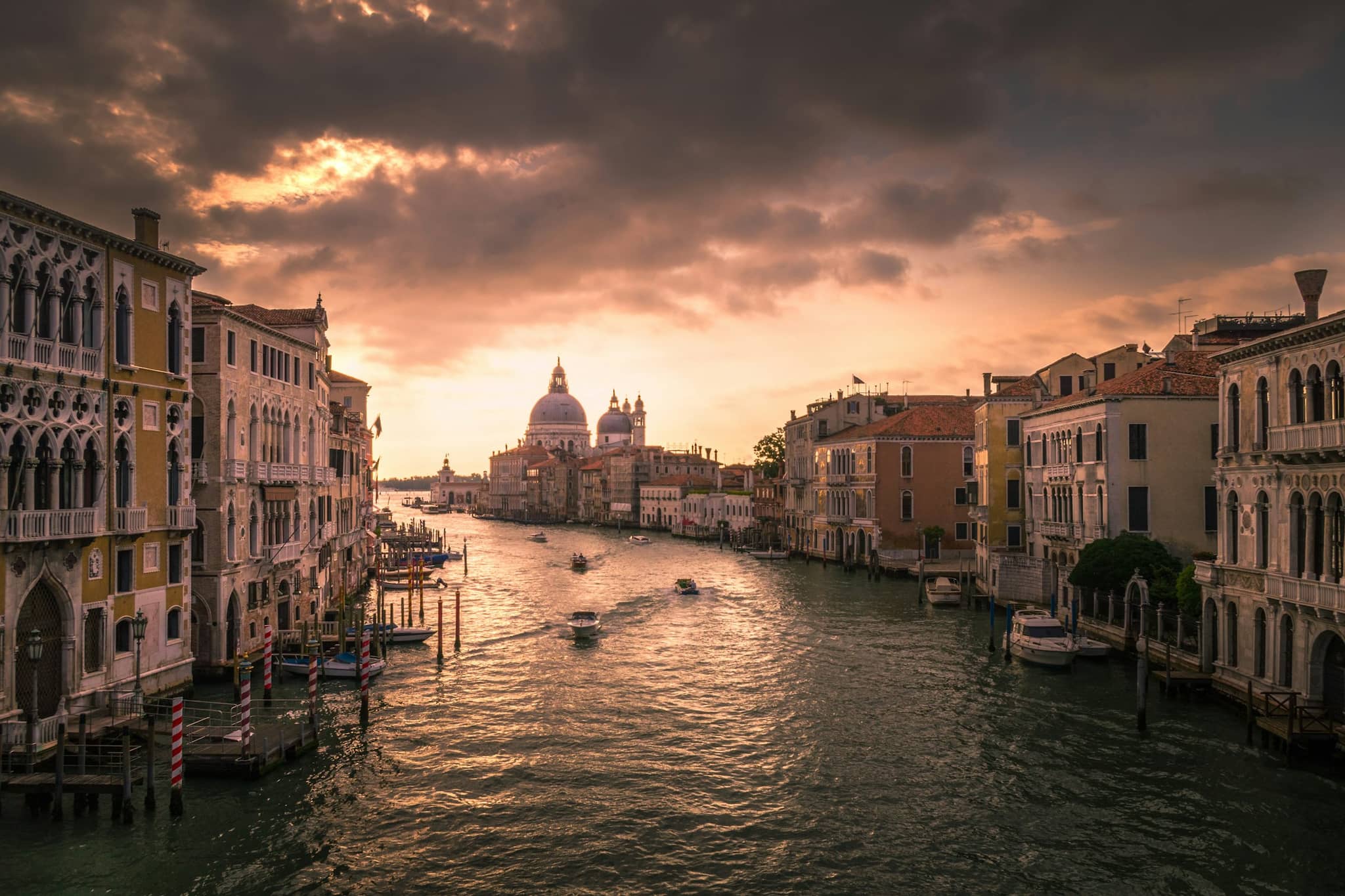
Venice rewards the overnight visitor more than almost any major city in Europe. The morning Piazza before the first train brings the day groups, the evening fondamente after the last day-trippers head back to the mainland, the second-day pace where you stop watching the map: none of it survives a day trip. This guide is the honest comparison between a single day in Venice and a stay, written from the host side of the question.
The short answer
One night minimum. Two is better. Three is right.
A day trip works only for travellers who have already visited Venice at least once and want to see one specific thing (the Biennale, an exhibition, a friend, a meal). For a first visit, a day trip is a long queue, a tired afternoon, and a return train at 19:30 with the feeling that you missed the point.
Below we break down what a day trip in Venice actually contains, what you cannot see in twelve hours, what it costs against an overnight stay (the access fee for day-trippers is now part of the calculation), and where to stay if you only have one or two nights.
What a Venice day trip actually contains
A standard day trip from a base in Verona, Padua, or even Milan looks like this:
- 08:30 train arrival at Venezia Santa Lucia.
- Walk or vaporetto 1 to San Marco (45 minutes on foot, 35 by water).
- Queue for the Basilica (45 to 90 minutes in shoulder season, two hours in high summer if you have not booked).
- Quick walk on Piazza San Marco; photo of the Campanile.
- Walk back to Rialto by lunchtime; lunch in a tourist trattoria near the bridge.
- One museum (Doge’s Palace or Accademia, depending on taste); two hours including queue.
- Walk back through San Marco for an aperitivo; tourist prices, central setting.
- 19:30 or 20:30 train back to the base.
The walking total is 8 to 12 kilometres. The standing-in-line total is two to four hours. The actual time spent inside Venice, doing Venetian things, is around four to six hours.
What you cannot see in a day
Three categories of experience are not accessible in a day trip.
The morning city. Venice between 07:00 and 09:00 is residential. The market boats unload at Rialto, the children walk to school in single file, the bars on the campi serve espresso to retired men and to women on the way to work. The first vaporetti are quiet. None of this is visible to a day-tripper who arrives at 09:00 already worn out by the train.
The evening city. Venice between 19:30 and 23:00 is the other half of the daily rhythm. The last tour groups leave on the 18:30 train; the calli empty; the bacari open for cicchetti; the Piazza belongs to the few hundred people who actually live in San Marco. The light on the Grand Canal at 20:30 in May is the city that Tintoretto painted. Day-trippers are already on the train.
The off-route hours. A day trip pushes you toward the main route: Santa Lucia, Rialto, San Marco, back. Castello east of the Arsenale, Cannaregio north of the Ghetto, the Giudecca, the entirety of Dorsoduro: not reachable as anything more than a glance. The reason most repeat visitors fall harder for Venice the second time is that the second visit starts off the main route.
The cost comparison
The standard objection to staying overnight is the cost. Let us look honestly.
| Item | Day trip from Verona (per person) | One night in Venice (per couple, split per person) |
|---|---|---|
| Train round-trip | €40 to €60 | Not needed if you arrive direct |
| Vaporetto day pass (24h) | €25 | €25 (same) |
| Access fee on peak days | €5 to €10 | Exempt (overnight guests pay city tax via accommodation instead) |
| City tax via accommodation | n/a | €1 to €5 per night (typically) |
| Lunch in tourist trattoria | €30 to €45 | Same lunch |
| Dinner | Often skipped (return train) | €35 to €70 per person, on your terms |
| Apartment for one night, two guests | n/a | €75 to €170 per person (depending on apartment) |
A day trip from Verona to Venice costs roughly €110 to €160 per person, all-in. An overnight stay in a mid-range Venice apartment with one shared dinner costs €160 to €280 per person, all-in.
The difference, €50 to €120 per person, buys you the morning, the evening, the off-route hours, and a real Venetian dinner with the kind of choice you cannot make at 17:00 from a tourist menu. By any rational measure, the overnight delivers more value per euro.
The new day-tripper access fee
In 2024 Venice introduced a contributo di accesso, a paid-entry scheme for day-trippers on selected peak days. The system has been refined each year since.
What it currently is. A flat fee for day visitors entering the historic centre and the major islands during peak windows, payable online in advance or on the day. The fee applies between 08:30 and 16:00 on listed days, mostly weekends and holidays from spring through autumn. Advance bookings are cheaper than on-the-day purchases. The list of dates is published each year by the city; see the official Comune di Venezia information (the site offers English translations).
Who is exempt. Overnight guests (who pay the tassa di soggiorno through their accommodation). Residents of the Veneto region. Children under 14. People entering for work, study, or medical reasons. The exemption requires registration on the city’s portal, not just possession of a hotel or apartment booking.
What this means for the day-trip-vs-overnight question. The math has shifted further toward overnight. A day-tripper now pays €5 to €10 just to enter, on top of all other costs. An overnight guest pays nothing on entry, only the city tax of €1 to €5 per night collected by the accommodation. Over a one-night stay, the access fee saving partly offsets the cost of the apartment.
(A dedicated guide to the access fee is in the pipeline. It will replace this section with a deeper read when published.)
Where to stay if you only have one night
If your trip allows only a single overnight, optimise for proximity. San Marco is the right sestiere; the apartment should be one or two calli off the main shopping route so you sleep in quiet, not on Mercerie.
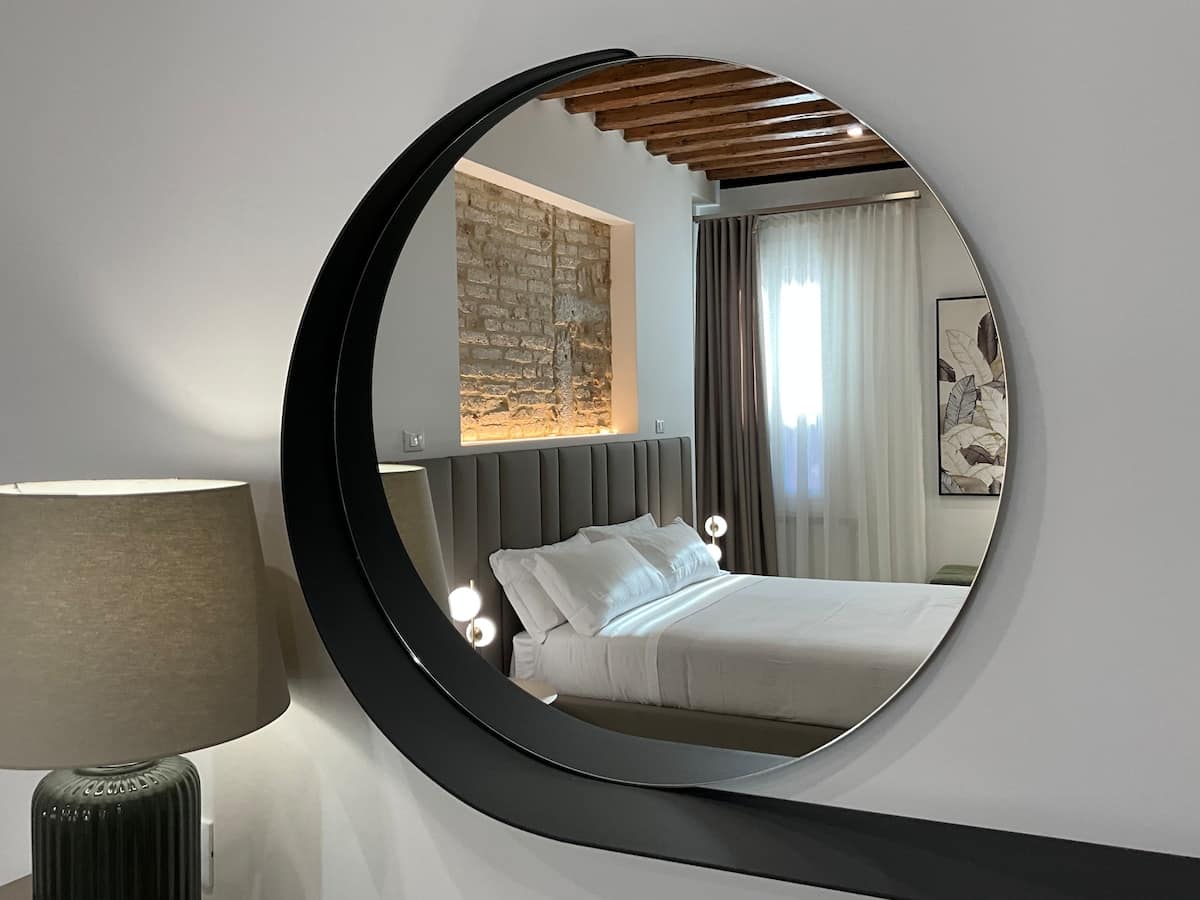
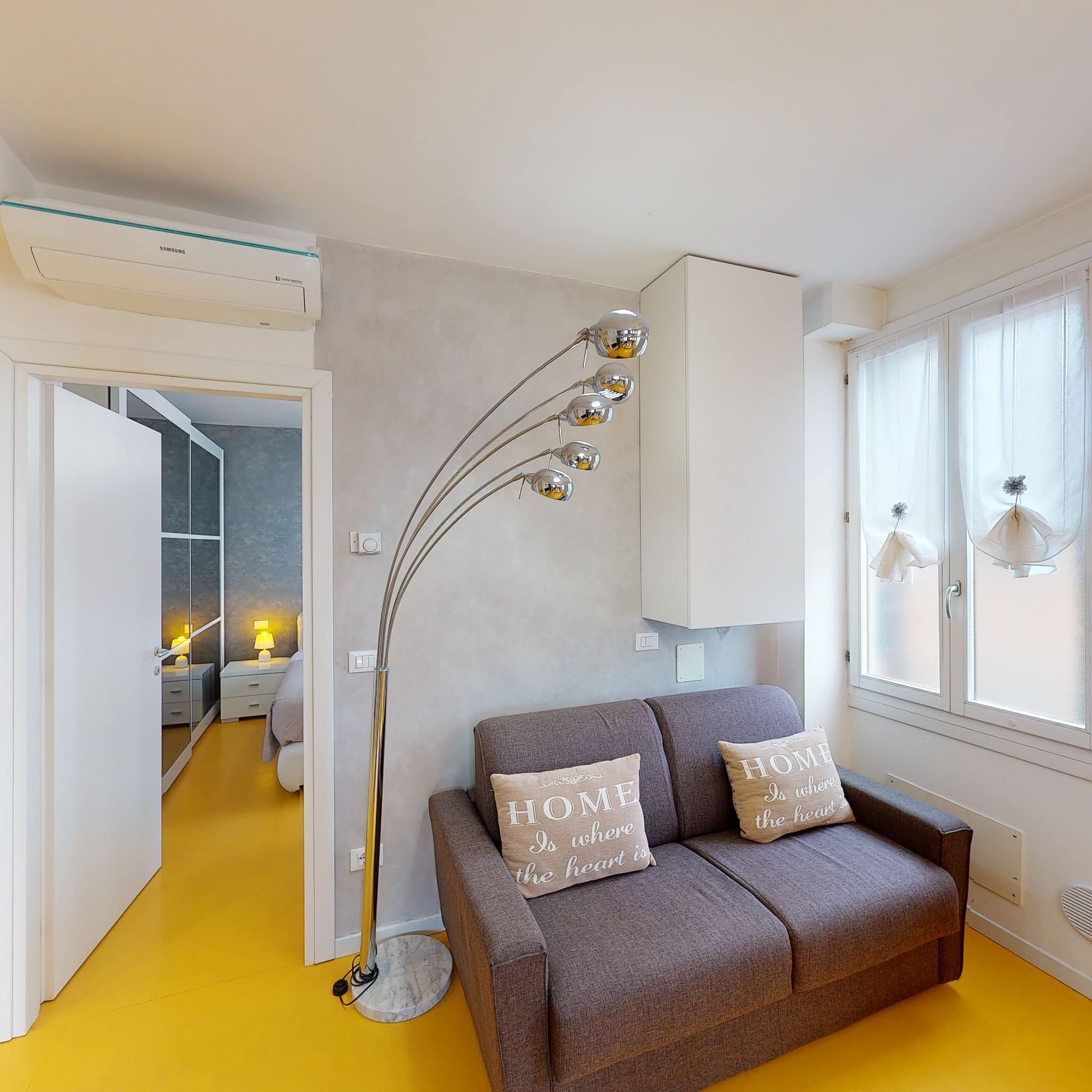
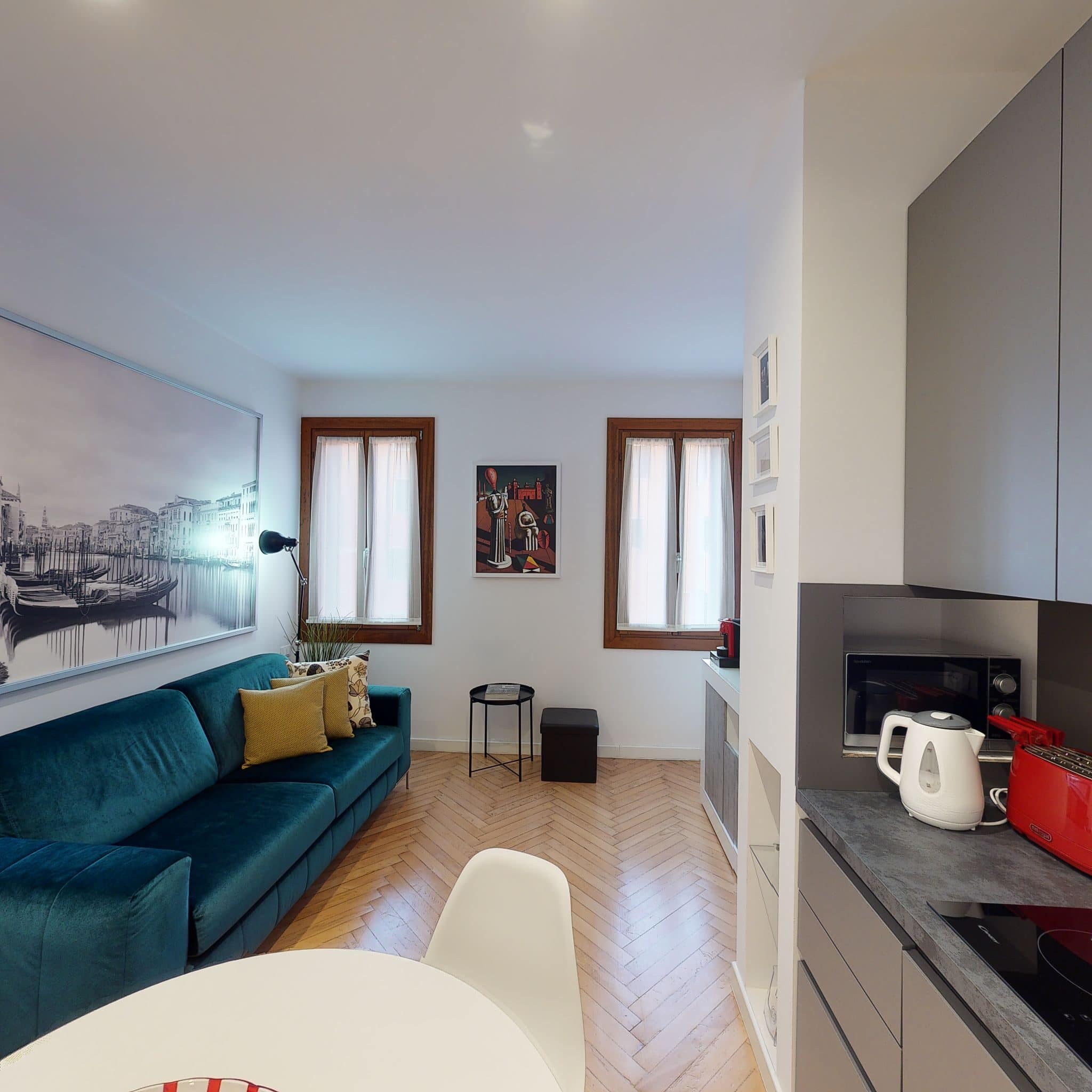
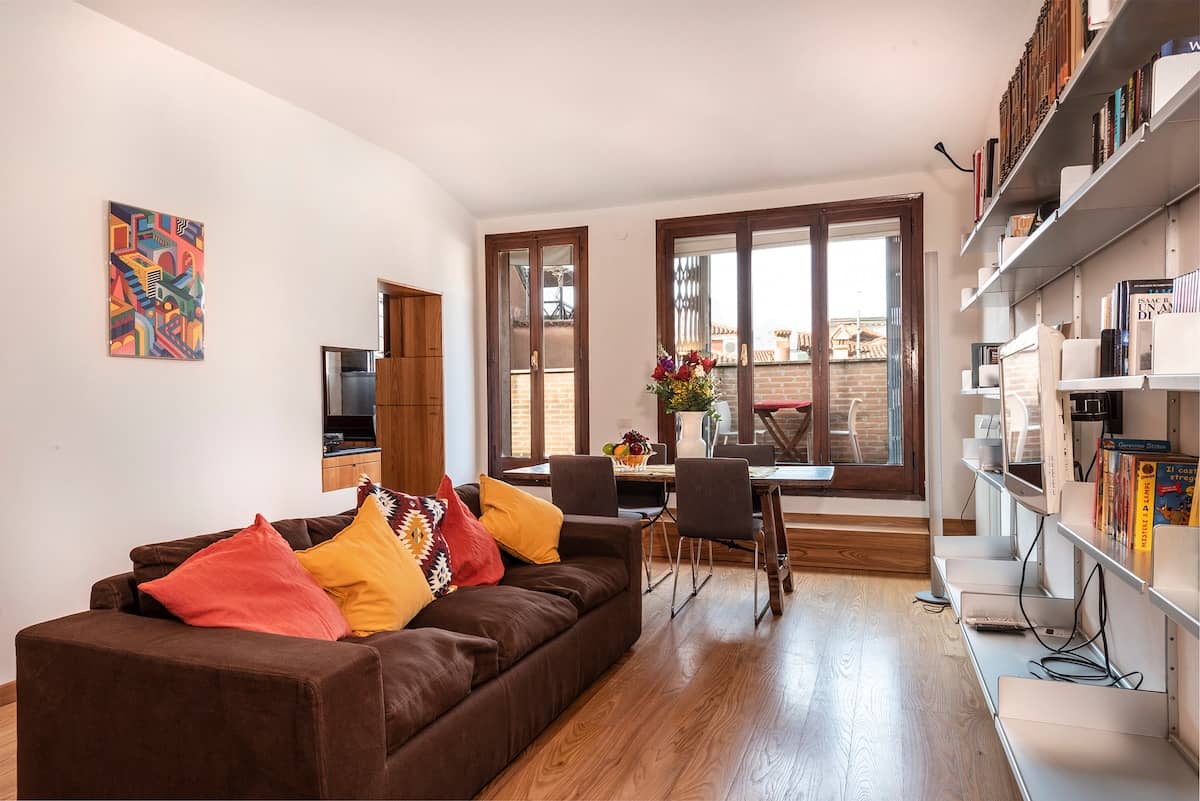
Two of our flats fit this brief well. Cà Gemma is eight minutes from the Piazza in central San Marco, a calm street, two bedrooms if you are travelling as a small family. The Baretteri Romantic Flat is two minutes from the Piazza on a quieter calle, for couples.
The one-night strategy: arrive before 17:00, drop the bags, walk to the Piazza for the late-afternoon light, dinner at 20:30 in a small place you book that morning, breakfast on a campo the next day, one museum, lunch, leave on the late train. You have the city for sixteen real waking hours; that is three times what a day trip gives you.
Where to stay if you have two or three nights
Two nights opens the question of which sestiere fits you. San Marco still works; Castello and Cannaregio also fit, and they give a calmer base for a longer stay.
Cà Lorenzo in Castello, near Santa Maria Formosa, is the right two-night choice for travellers who want to see San Marco and the major churches but sleep in residential calm. Celestia Panoramic further east gives a lagoon-facing third-floor view and direct vaporetto access; ideal for a three-night stay that includes a half-day to Burano.
For a deeper sestiere-by-sestiere read, see Where to Stay in Venice. For the seasonal angle (when to come at all), see Best Time to Visit Venice.
The two-night recommendation
If we had to give a single answer for a first visit, it would be this: arrive on a Thursday afternoon, leave on a Sunday morning. Three nights, two and a half days, the city in both its morning and its evening rhythm, time for one museum, one bacaro evening, one slow walk in Castello or Cannaregio, one lunch at the Rialto market.
That is the version of Venice that justifies the trip. The day-trip version is the postcard. Most people return for the second.
The fastest route from this article to a real apartment is the full catalogue.